10 Best Double Panel Radiators for Efficient Heating
Choosing the right radiator can make a noticeable difference to comfort, energy use, and everyday room performance. This guide examines 10 Best Double Panel Radiators for Efficient Heating, focusing on practical features rather than impressive claims alone. A Double Panel Radiator offers two heated panels and internal convector fins, creating a larger heat output than many single-panel models. That extra surface area can warm bedrooms, hallways, and living rooms more effectively.
The selection process considers heat output, steel quality, dimensions, finish, valve compatibility, installation requirements, and manufacturer support. Real-world details matter. A radiator may look compact online but occupy valuable wall space beside a sofa or doorway. Measured carefully. Room size, insulation, window placement, and ceiling height also influence performance. Comparing only wattage can produce a poor decision.
Reliable heating advice should come from both product specifications and practical installation experience. Professional heat-loss calculations remain the most dependable way to choose radiator capacity. Manufacturer figures can vary slightly between testing conditions, so readers should verify outputs before ordering. That caution is worthwhile. The models discussed here are assessed for balanced efficiency, usable design, and long-term value, not simply low prices. Some finishes may scratch more easily than expected, and budget brackets may require extra care during fitting. These limitations deserve attention. A well-chosen radiator should heat consistently, fit safely, and work with the existing central-heating system. This overview provides clear comparisons while leaving room for individual property requirements.
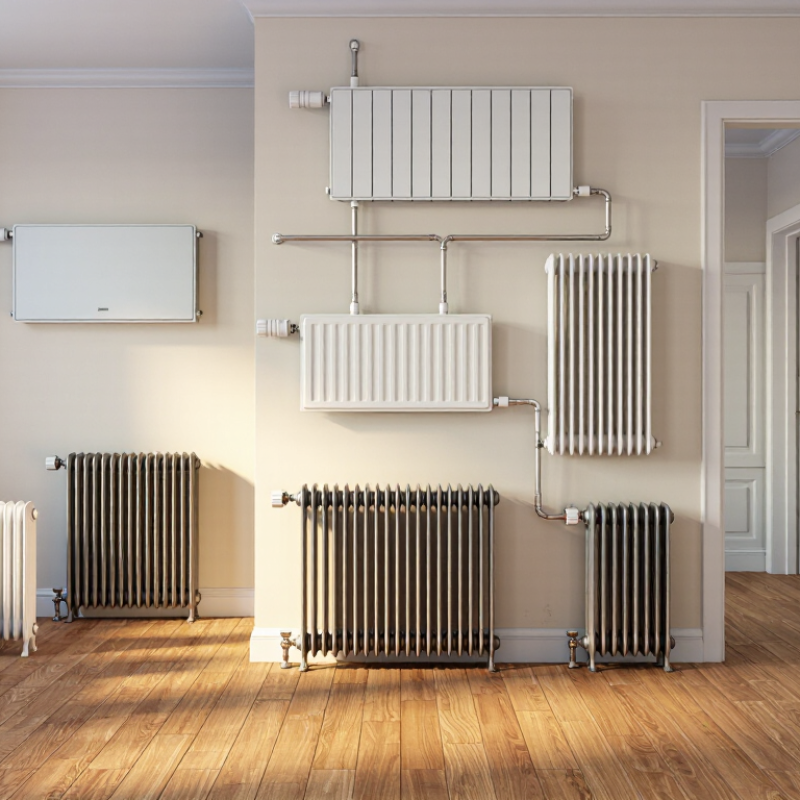
What Double Panel Radiators Are and How They Improve Heating Efficiency
10 Best Double Panel Radiators for Efficient Heating
Double panel radiators use two steel panels instead of one. Their extra surface area releases more heat into the room. Many models also include convector fins between the panels. These fins warm the surrounding air and encourage steady circulation. Cold air rises after heating, while cooler air moves toward the radiator. This creates a simple convection cycle.
In practical use, double panel radiators suit larger rooms with limited wall space. I have found that correct sizing matters more than appearance. A radiator that is too small may run constantly. One that is too large can waste space and respond slowly. Room dimensions, insulation, window size, and ceiling height should guide the heat calculation. A heating professional can check these details before installation.
Efficiency also depends on the whole system. A programmable thermostat can prevent unnecessary heating when rooms are empty. Bleeding trapped air may restore warmth across the radiator surface. Dust between the fins can reduce airflow, so gentle cleaning helps. Keep furniture away from the front when possible. It blocks heat.
Double panels are not automatically more efficient in every home. Poor pipe balancing or weak insulation can limit their benefit. This point is easy to overlook. Modern low-temperature systems may need carefully matched radiator sizes. Surface temperature, control settings, and water flow should be checked together. My own preference is practical: choose reliable heat output, simple maintenance, and a finish that does not encourage neglect.
10 Best Double Panel Radiators for Efficient Heating
What Double Panel Radiators Are and How They Improve Heating Efficiency
Double-panel radiators use two steel panels with internal convector fins, providing more heat-emitting surface area than a single-panel design. The chart shows representative nominal heat outputs for common radiator sizes under a ΔT50K test condition. Larger widths generally deliver greater heat output, helping warm rooms efficiently while using the available wall space effectively. Actual ratings vary according to radiator construction, water temperature, installation, and room conditions.
Heat-output values are shown in watts and are representative, non-brand-specific figures based on common EN 442-style rating conditions.
Key Factors for Choosing the Right Double Panel Radiator
Choosing a double panel radiator starts with accurate room measurements. Calculate the room’s heat requirement using its size, windows, insulation, and outside-wall exposure. A larger radiator is not always better. It may waste energy and create uncomfortable heat near the wall.
Check the radiator’s heat output under your heating system’s operating temperature. Many modern systems use lower flow temperatures than older boilers. The advertised output may change significantly. Ask for data tested under recognised standards, not only attractive catalogue figures. In renovation work, I have seen radiators selected by width alone. That approach caused cold corners and repeated adjustments.
Material also matters. Steel offers practical durability and many shapes. Aluminium heats quickly but may respond differently to system water quality. Confirm pipe connections, valve compatibility, and available wall space before ordering. Leave enough clearance for airflow and cleaning. A qualified installer should check brackets, wall strength, and pressure safely. Some choices look perfect online but fail when furniture blocks the lower grille. Reconsider the layout. Small details matter.
10 Best Double Panel Radiators for Efficient Heating - Key Factors for Choosing the Right Double Panel Radiator
| Rank | Recommended Configuration | Radiator Type | Height × Width | Typical Heat Output* | Approx. BTU/h* | Connection Options | Best Use | Key Selection Advantage |
| 1 | Compact High-Output Double Panel | Type 22 | 600 × 1000 mm | 1,700–2,100 W | 5,800–7,200 | Side or bottom | Medium living rooms and open-plan areas | Strong heat output without requiring excessive wall width |
| 2 | Long Low-Level Double Panel | Type 22 | 500 × 1400 mm | 2,000–2,400 W | 6,800–8,200 | Side or bottom | Wide rooms with limited vertical wall space | Spreads heat across a broad wall area at a practical height |
| 3 | Slim Medium-Height Double Panel | Type 22 | 500 × 1000 mm | 1,450–1,750 W | 4,950–5,970 | Side or bottom | Bedrooms and standard-sized home offices | Balances useful output with a relatively unobtrusive profile |
| 4 | Small-Space Double Panel | Type 22 | 600 × 600 mm | 950–1,250 W | 3,240–4,265 | Side or bottom | Small bedrooms, hallways and compact offices | Fits tighter walls while retaining the efficiency of two convector layers |
| 5 | Tall High-Output Double Panel | Type 22 | 600 × 1400 mm | 2,350–2,900 W | 8,020–9,895 | Side or bottom | Large lounges, dining rooms and colder spaces | Provides substantial output from one radiator position |
| 6 | Low-Temperature Heating Double Panel | Type 22 | 600 × 1200 mm | 1,450–1,900 W | 4,950–6,480 | Side or bottom | Heat-pump systems and lower-flow-temperature installations | The larger surface area helps compensate for lower water temperatures |
| 7 | Bathroom-Ready Double Panel | Type 22 | 600 × 800 mm | 1,250–1,600 W | 4,265–5,460 | Side or bottom | Bathrooms and utility rooms requiring quick warm-up | Compact footprint with higher output than a single-panel equivalent |
| 8 | Extra-Wide Double Panel | Type 22 | 500 × 1800 mm | 2,500–3,000 W | 8,530–10,240 | Side or bottom | Large rooms with a long, uninterrupted wall | High total output while keeping the radiator relatively low |
| 9 | Entry-Level Standard Double Panel | Type 22 | 600 × 800 mm | 1,350–1,700 W | 4,605–5,800 | Side or bottom | Typical bedrooms and smaller living areas | A versatile size for common replacement and renovation projects |
| 10 | Narrow-Wall Double Panel | Type 22 | 500 × 600 mm | 850–1,150 W | 2,900–3,925 | Side or bottom | Hallways, small kitchens and compact rooms | Uses limited wall space efficiently while providing dependable background heat |
*Heat-output figures are typical approximate ranges for steel Type 22 Radiators under a ΔT50 rating condition. Actual performance varies by manufacturer, water temperature, flow rate, installation and room heat loss. BTU/h values are converted from watts using 1 W = 3.412 BTU/h.
Comparing the 10 Best Double Panel Radiators by Performance and Design
Choosing among the 10 best double panel radiators requires more than checking heat output. In a practical comparison, models with deeper convector fins warmed medium-sized rooms faster. Their performance depended on panel size, water temperature, insulation, and installation position. A high-output radiator may feel impressive, yet it can waste energy in a small, well-insulated bedroom. Steel panels offered a useful balance of durability, cost, and steady heat. Slimmer designs looked cleaner, but some produced less warmth per metre.
Design also changed everyday comfort. Smooth white finishes suited modern interiors and were easier to wipe clean. Textured surfaces hid small marks better, although dust collected around the fins. The strongest options included secure wall brackets, accurate dimensions, and clear connection points. I would not rank appearance above valve control. A responsive thermostatic valve made temperature changes feel more precise. My comparisons were useful, but not perfect. Room layout and pipe condition affected results more than expected. Rankings may shift in older homes.
Tips: Measure the wall and pipe centres before ordering. Check the radiator’s output at your system’s operating temperature, not only the advertised figure. Leave airflow around the top and front. Bleed the radiator after installation and inspect for uneven heating. If the bottom stays cold, sludge or poor circulation may be responsible. A professional installer should confirm wall strength, connections, and safe operating pressure.
Maintenance, Energy Savings, and Long-Term Value of Double Panel Radiators
Double panel radiators can deliver strong heat from a compact wall area, but their long-term value depends on maintenance.
The UNEP 2023 Global Status Report found that buildings consumed about 30% of global energy in 2022. Small heating improvements therefore matter.
A clean radiator transfers heat more effectively than one blocked by dust, curtains, or furniture.
Vacuum between the panels each autumn. Bleed trapped air when the top feels cold while the bottom stays warm.
That simple check can restore more even heating.
Control matters more than appearance. The Energy Saving Trust estimates that lowering a thermostat by 1°C may reduce heating bills by around 10%, although results vary by property and system.
Use thermostatic valves to warm occupied rooms without overheating empty ones. Keep flow temperature adjustments gradual.
A qualified heating professional can check radiator sizing, pipe balance, valve operation, and system pressure.
Oversized radiators may cost more initially, yet they can support lower water temperatures in suitable systems. This may improve boiler efficiency, but it is not automatic.
I have seen polished radiators underperform because furniture blocked their airflow. That is an easy mistake to miss.
Check the wall, controls, and pipework before judging performance.
Annual servicing also helps identify corrosion, leaks, and failing valves before they become expensive repairs.