How to Choose the Right 10kw Solar Inverter for Your Needs?
Choosing the right 10kw solar inverter is crucial for maximizing energy efficiency. According to John Smith, a solar energy expert at GreenTech Solutions, "The right inverter can make or break your solar project." This statement highlights the importance of selecting an appropriate inverter tailored to individual needs.
When considering a 10kw solar inverter, several factors come into play. You need to assess your energy requirements, the layout of your system, and any potential expansion plans. A poorly chosen inverter may lead to wasted energy and increased costs. It's essential to do thorough research and understand what differentiates one inverter from another.
Not every 10kw solar inverter is created equally. Brands vary in reliability, efficiency, and features. Some may focus on lower costs with fewer functionalities, while others offer top-notch performance with all the bells and whistles. This complexity can be overwhelming. Thus, reflecting on your priorities becomes vital to making the best choice.
Understanding the Role of a 10kW Solar Inverter in Energy Systems
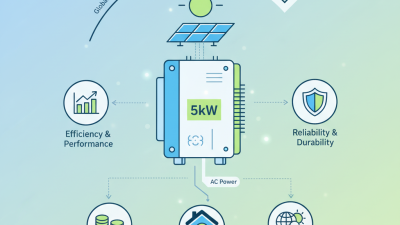
A 10kW solar inverter plays a critical role in managing energy systems. It converts sunlight captured by solar panels into usable electricity for homes and businesses. By doing so, it also optimizes energy flow and maximizes efficiency. Understanding this function is vital when choosing an inverter for your needs.
The inverter's efficiency rating should be a priority. Higher efficiency means more electricity converted from sunlight. Check the manufacturer's specifications for these ratings. However, not all high-efficiency inverters are best suited for every situation. Some may lack features that are essential for specific environmental conditions, such as temperature or shading.
Consider the system's compatibility. It is important to ensure the inverter matches your solar panel capacity. An overly powerful inverter won't add benefits but may increase costs unnecessarily. Additionally, think about the durability. Quality can vary widely, and a more affordable option may not perform well long term. Balancing cost with reliability often requires careful thought.
Energy Production Comparison of 10kW Solar Inverters
Key Specifications to Consider for a 10kW Solar Inverter Selection
When selecting a 10kW solar inverter, several key specifications must be evaluated. Efficiency is crucial. Look for inverters with a European Efficiency rating above 95%. A higher rating ensures better performance and lower energy losses. For instance, data from the National Renewable Energy Laboratory (NREL) indicates that even a 1% increase in efficiency can translate to an annual energy gain of 200 to 300 kilowatt-hours for a residential system.
Consider the inverter's input and output voltage range as well. The ability to handle varying voltage levels allows for greater flexibility under different conditions. Inverters designed for high-voltage configurations often support larger solar arrays. Thus, assessing the voltage compatibility can help in scaling your solar system in the future.
Monitoring capabilities also play an important role. Advanced inverters come with integrated monitoring systems. This allows users to track performance in real-time. According to recent industry reports, inverters with monitoring capabilities can enhance system management by 15%. This insight can lead to improved maintenance and efficient energy use. Therefore, evaluating these specifications is essential in making an informed choice.
Evaluating Efficiency Ratings and Performance Data of Solar Inverters
When selecting a 10kw solar inverter, evaluating efficiency ratings and performance data is crucial. Efficiency directly affects how much energy your system can convert. Industry reports indicate that top solar inverters achieve efficiency ratings between 95% and 98%. This range implies that only a small fraction of energy is lost during conversion. However, not all manufacturers publish consistent data. It is essential to examine third-party testing results for credibility.
Understanding the inverter's performance in various conditions is also vital. Temperature, shading, and grid variability can impact its output. Some inverters might perform well in optimal conditions but falter during extreme heat or cold. An inverter's performance curve provides insights into how it behaves under different environmental factors. Look for models that showcase durability and stability across various climates.
Keep these factors in mind. Ensure your selected inverter meets specific energy needs. Efficiency ratings should align with your long-term energy goals. Not all high-efficiency inverters are suitable for every installation. It's necessary to assess compatibility with your solar array and local grid requirements. Seeking professional advice can help clarify complex specifications, ensuring the best choice for your situation.
Exploring Different Types of 10kW Solar Inverters: String vs. Micro Inverters
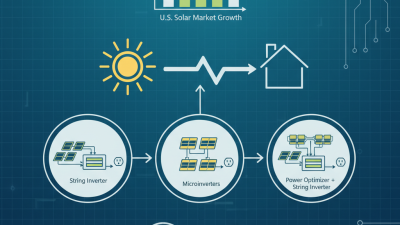
When choosing the right 10kW solar inverter, understanding the differences between string inverters and micro inverters is crucial. String inverters connect multiple solar panels in one long series. They are often more cost-effective and easier to install. However, if one panel in the string has reduced performance, the entire system's efficiency can drop. This is a common concern for homeowners with shading issues.
Micro inverters operate on a panel-by-panel basis. Each solar panel has its own inverter. This setup often maximizes energy output, especially when panels receive uneven sunlight. Micro inverters can adapt better to changing environmental conditions. They also provide detailed monitoring for each panel, helping to identify issues quickly.
Consider your property layout. If shading is a concern, micro inverters may be the better choice. Think about installation complexity as well. Micro inverters can be more challenging to install. Weigh the long-term benefits against upfront costs. An informed decision will lead to better energy savings in the long run.
How to Choose the Right 10kW Solar Inverter for Your Needs? - Exploring Different Types of 10kW Solar Inverters: String vs. Micro Inverters
| Type |
Efficiency (%) |
Installation Cost |
Maintenance |
Best For |
| String Inverter |
95-98% |
$2,000 - $3,500 |
Low |
Large Roof Areas |
| Micro Inverter |
90-95% |
$3,000 - $5,000 |
Moderate |
Shaded Areas |
| Power Optimizer |
95-97% |
$2,500 - $4,000 |
Moderate |
Mixed Conditions |
Assessing Warranty and Reliability of 10kW Solar Inverters for Longevity
When selecting a 10kW solar inverter, warranty and reliability are crucial. A robust warranty often signals a manufacturer’s confidence in their product. Look for warranties that offer at least 5 to 10 years coverage. This ensures that you’re protected against potential defects or failures. However, understanding the terms is vital. Some warranties only cover parts, while others may include labor.
Reliability is key for longevity. Research industry reviews and ask for recommendations from trusted sources. Check the inverter’s performance under various weather conditions. Many inverters can struggle in extreme climates. Don’t just rely on marketing; real-world performance is what you need.
Consider these practical aspects: With technologies rapidly evolving, older models may lose efficiency sooner. Additionally, installation quality affects longevity. A poorly installed inverter can lead to higher failure rates. Be vigilant in your choice, as even a top-rated inverter might falter without proper setup. Emphasizing these factors will lead to an informed purchase.